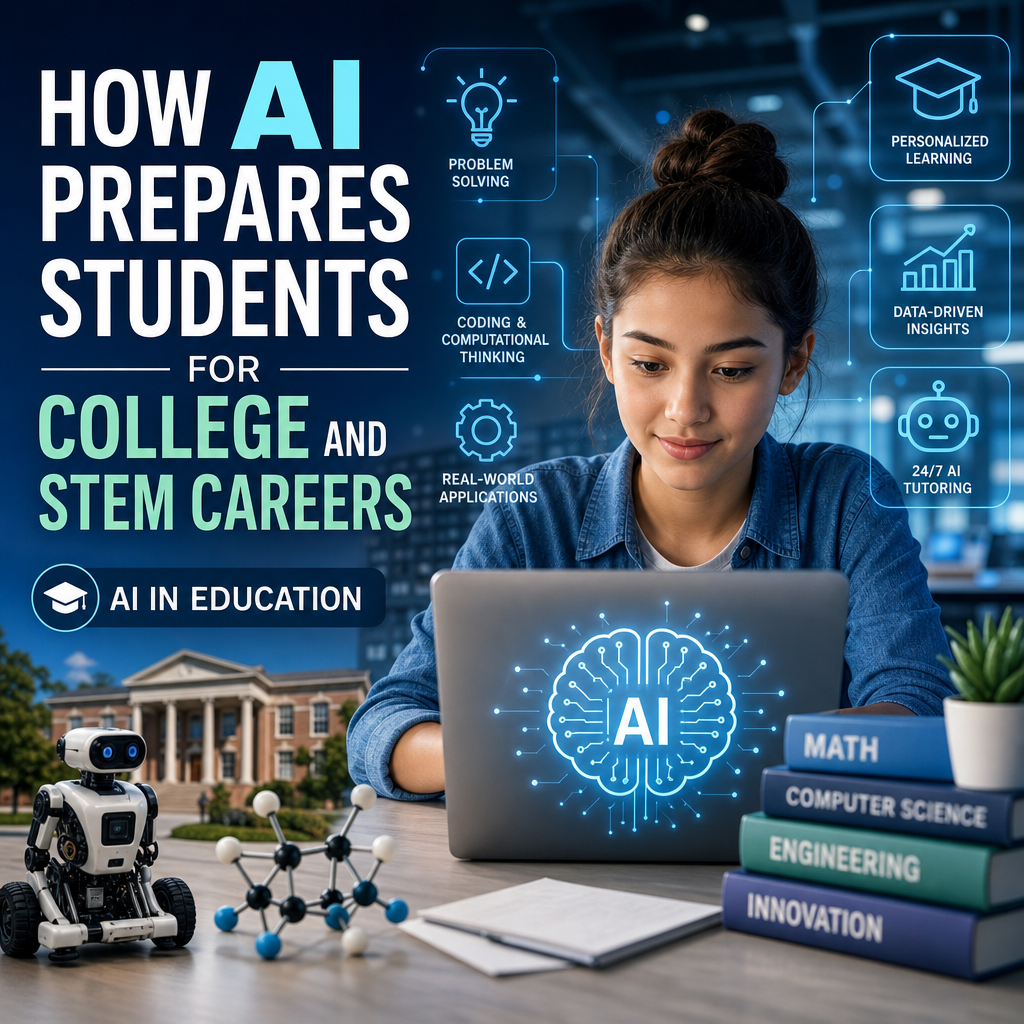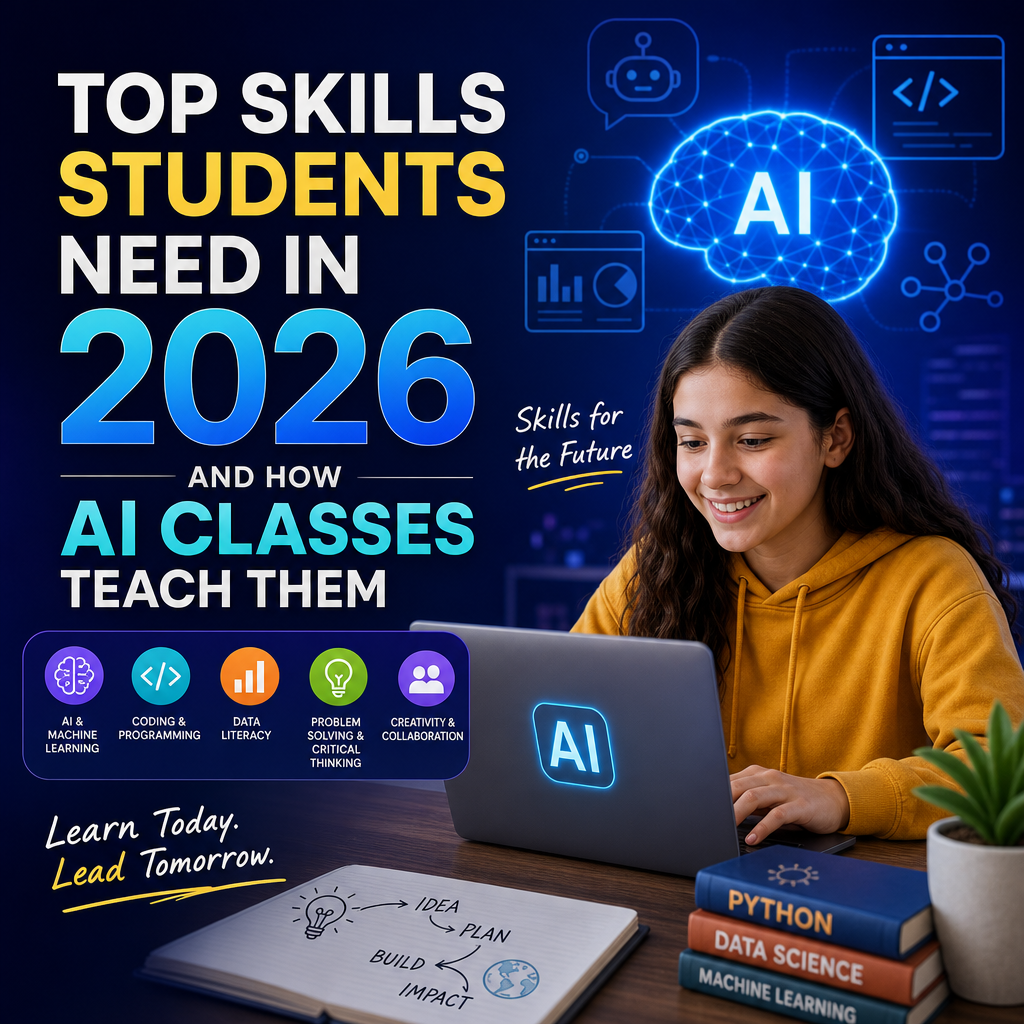

In 2026, success depends on more than grades—students need critical thinking, problem-solving, adaptability, and digital confidence. AI classes help build these real-world skills by giving students hands-on ways to think smarter, work with technology, and prepare for a fast-changing future.
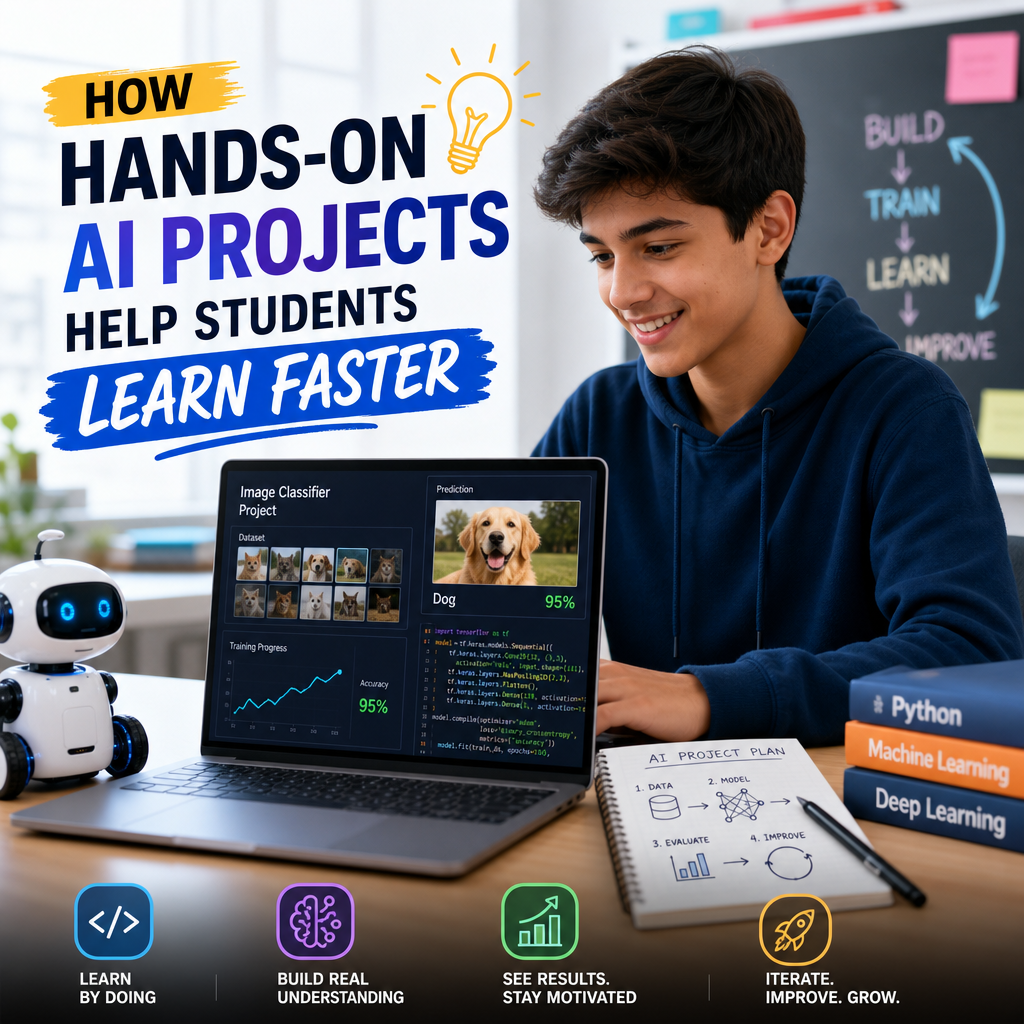
Hands-on AI projects help students turn complex ideas into real understanding by letting them build, test, and learn through experience. Instead of just studying theory, students gain confidence faster when they see how AI concepts work in action.
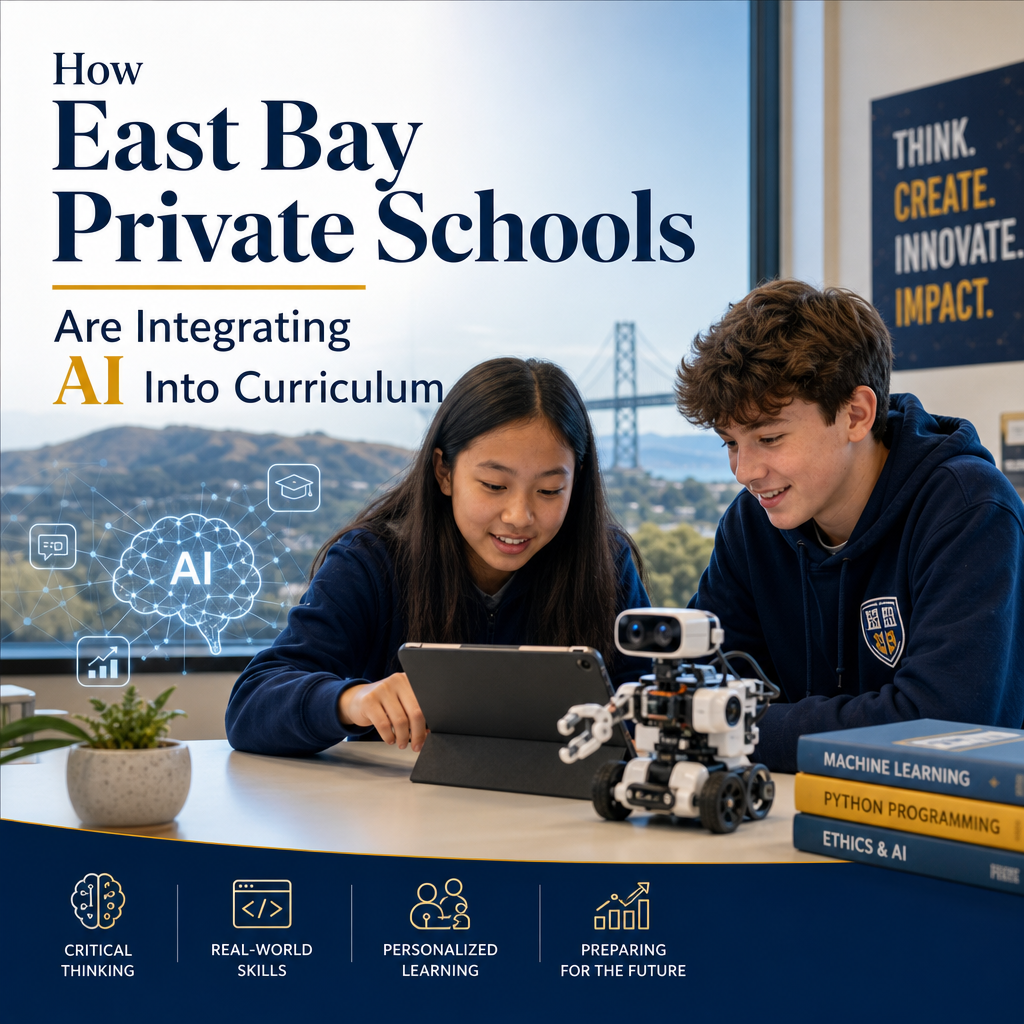
East Bay private schools are bringing AI into the classroom in thoughtful, age-appropriate ways, helping students build technical skills while learning to think critically about how the technology works. From STEM projects to ethical discussions, these schools are preparing students to use AI creatively, responsibly, and with confidence.
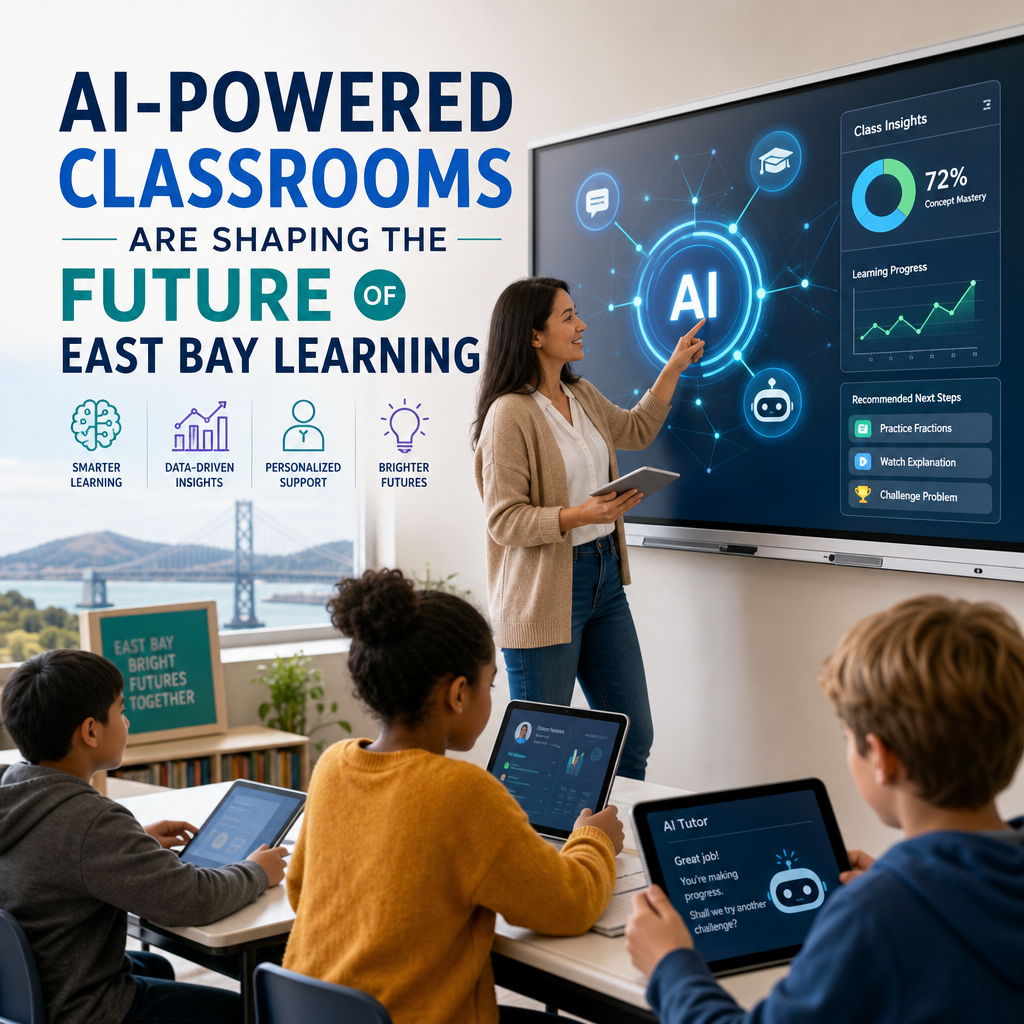
Across the East Bay, AI-powered classrooms are opening new possibilities for more personalized, engaging learning while giving teachers better tools to support every student. As schools explore this shift, the focus remains on using technology in thoughtful ways that strengthen—not replace—the human side of education.
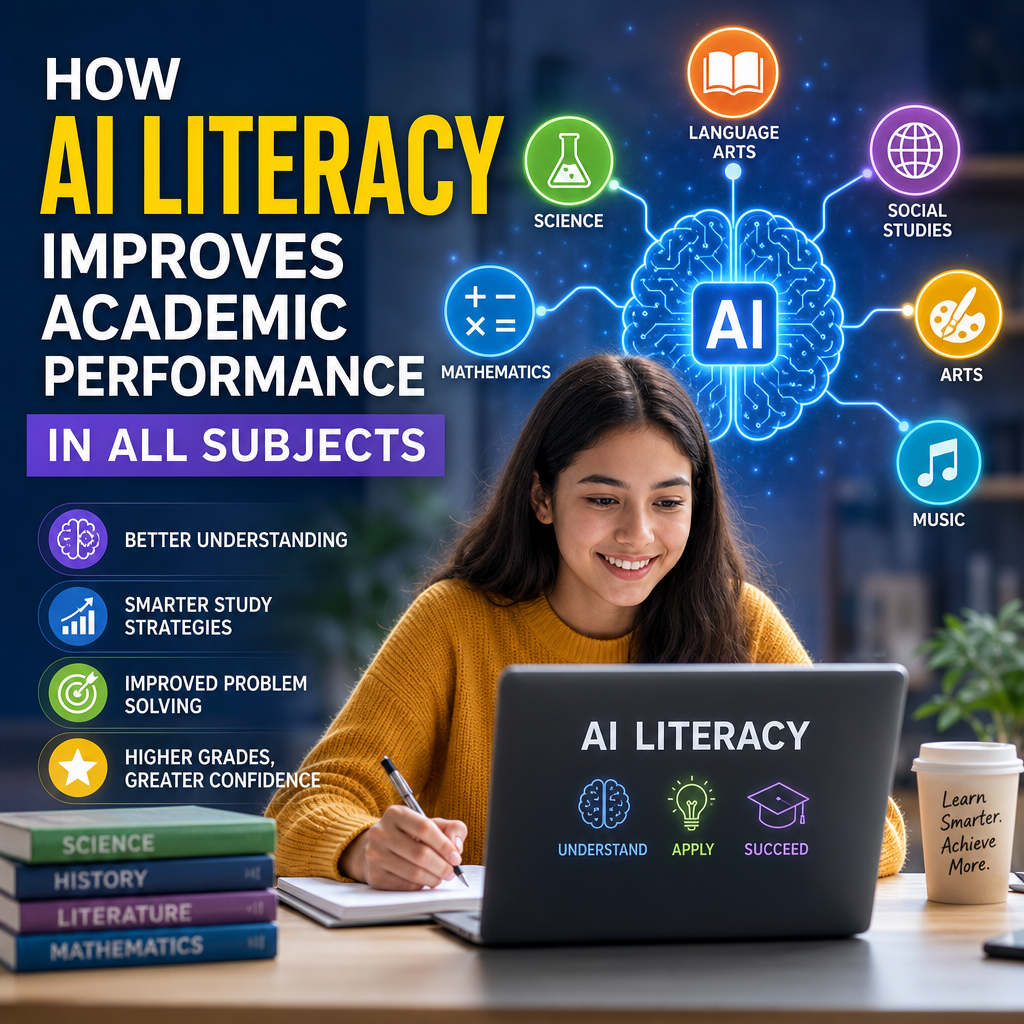
AI literacy helps students use technology more effectively, turning AI tools into powerful support for research, study, and critical thinking in every subject. From math and science to literature and history, AI literacy can boost confidence, improve understanding, and lead to stronger academic performance.