
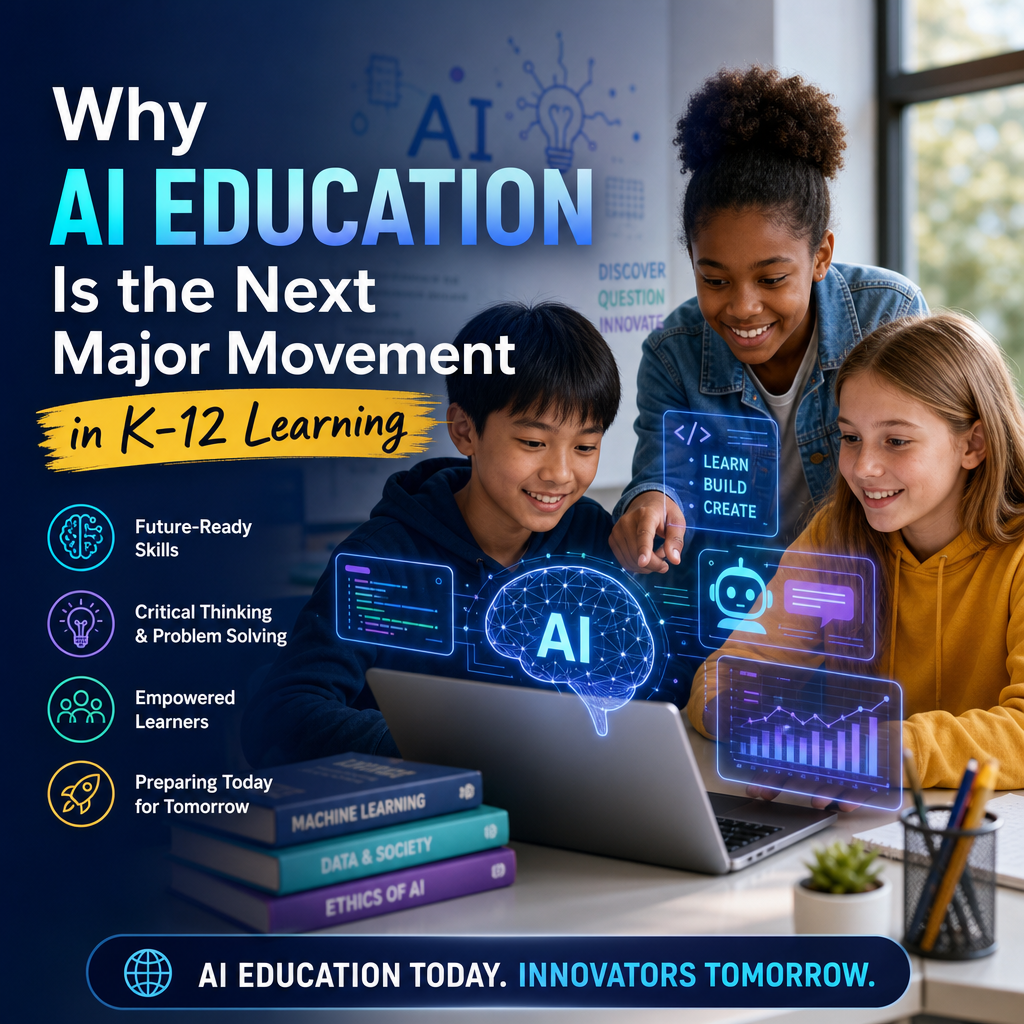
Why AI Education Is the Next Major Movement in K-12 Learning

AI education is becoming a vital part of K‑12 learning, helping students make sense of the intelligent tools they already use every day. By introducing AI education early, schools can prepare young learners to think critically, use technology responsibly, and navigate a future shaped by artificial intelligence.
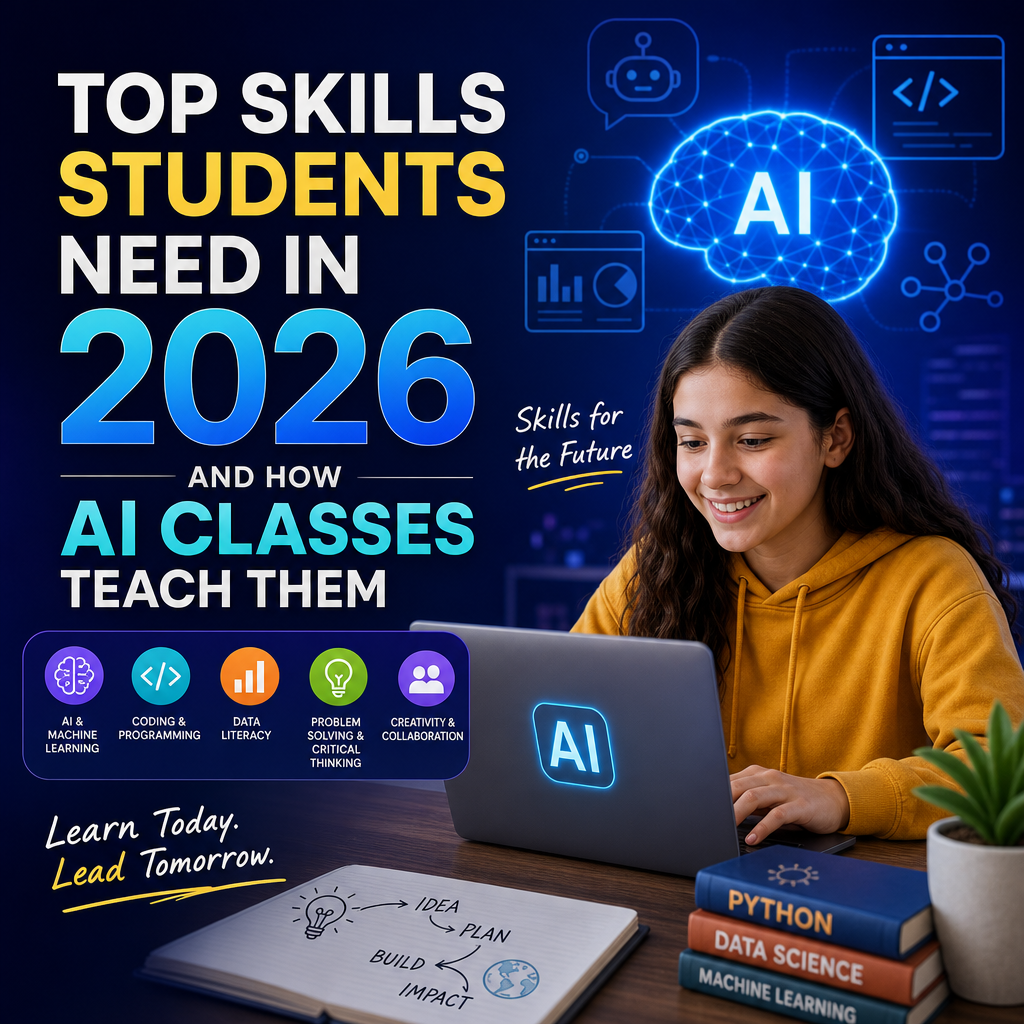
Top Skills Students Need in 2026 and How AI Classes Teach Them

In 2026, success depends on more than grades—students need critical thinking, problem-solving, adaptability, and digital confidence. AI classes help build these real-world skills by giving students hands-on ways to think smarter, work with technology, and prepare for a fast-changing future.

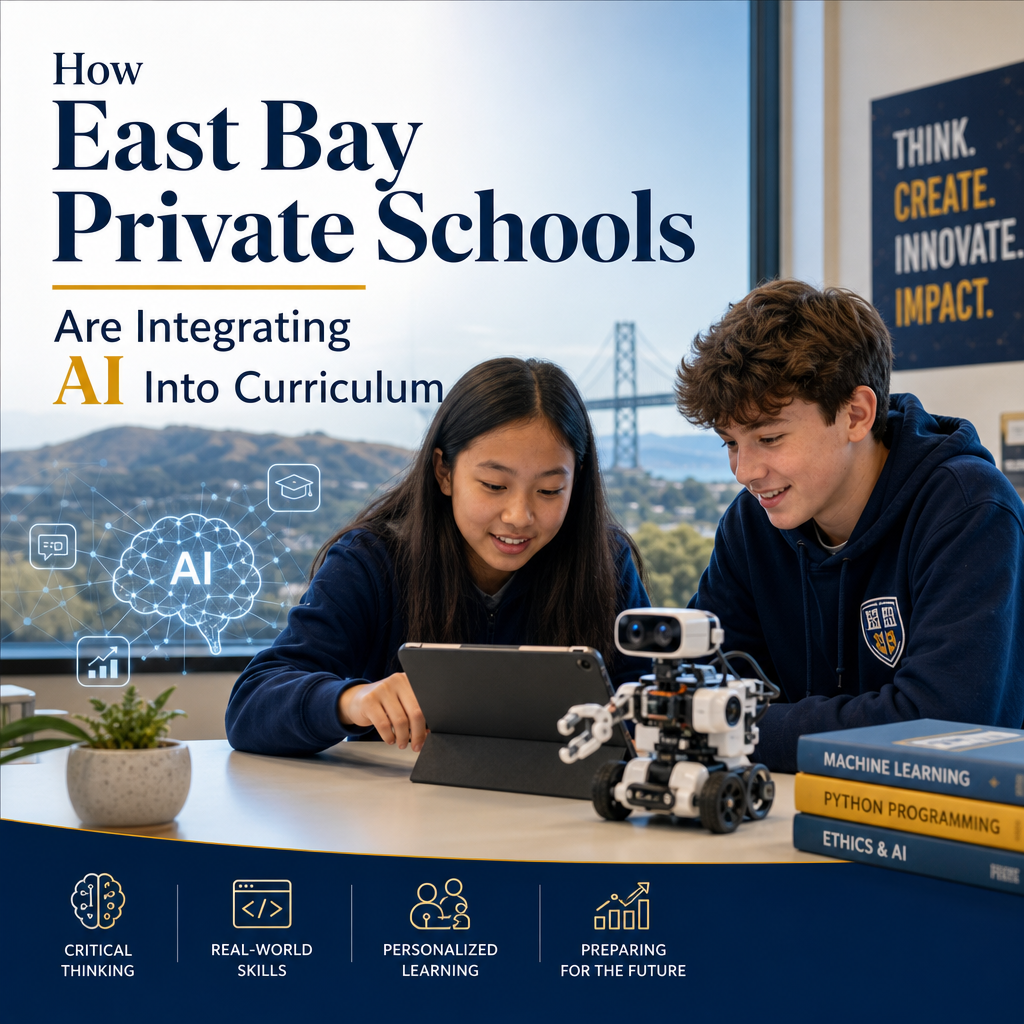
How East Bay Private Schools Are Integrating AI Into Curriculum

East Bay private schools are bringing AI into the classroom in thoughtful, age-appropriate ways, helping students build technical skills while learning to think critically about how the technology works. From STEM projects to ethical discussions, these schools are preparing students to use AI creatively, responsibly, and with confidence.

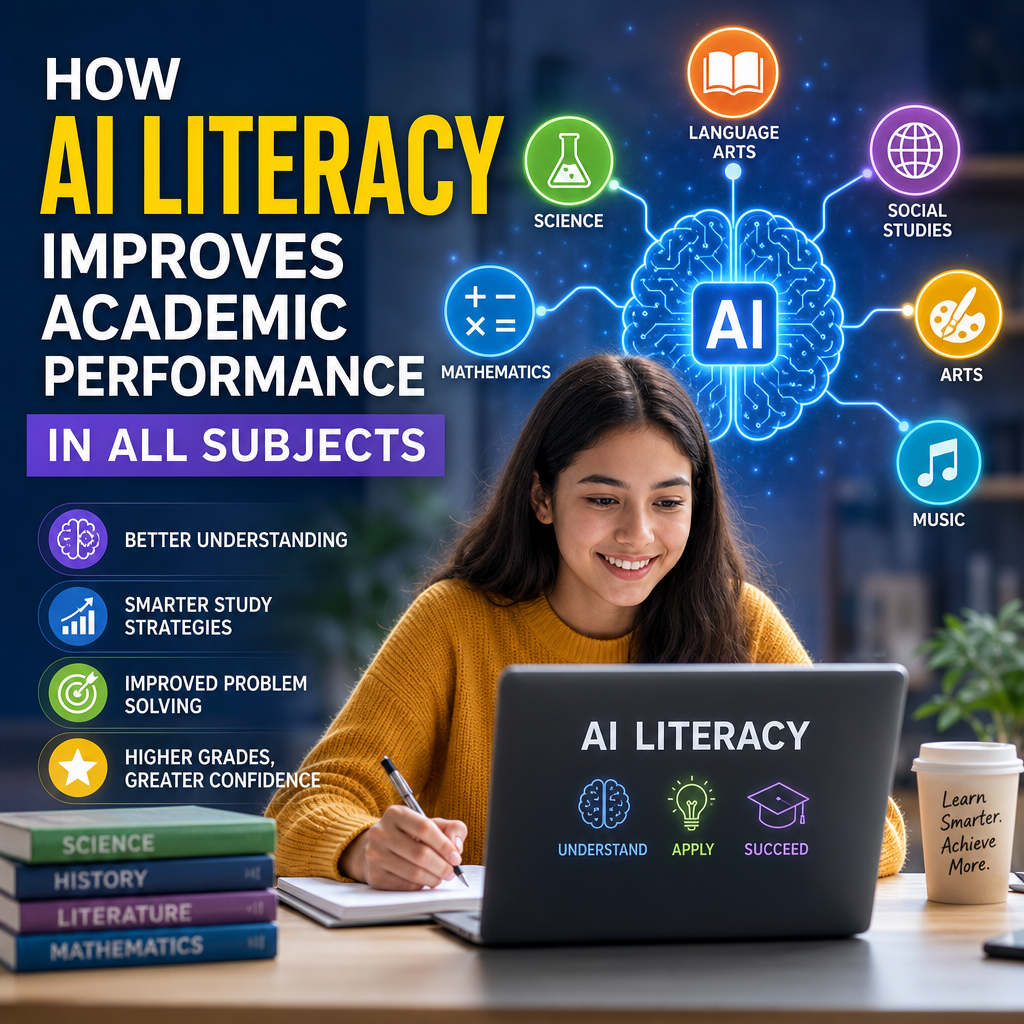
How AI Literacy Improves Academic Performance in All Subjects

AI literacy helps students use technology more effectively, turning AI tools into powerful support for research, study, and critical thinking in every subject. From math and science to literature and history, AI literacy can boost confidence, improve understanding, and lead to stronger academic performance.